Understanding Blue Light: How It Affects Your Sleep Patterns
Understanding blue light is crucial, especially in today’s digital age where screens are an integral part of our lives. This high-energy visible light is emitted from various devices, including smartphones, tablets, and computer screens. Exposure to blue light during the evening hours can disrupt your body’s natural circadian rhythm, making it harder to fall asleep. According to recent studies, the suppression of melatonin production— the hormone responsible for regulating sleep— can be significantly impacted by blue light exposure.
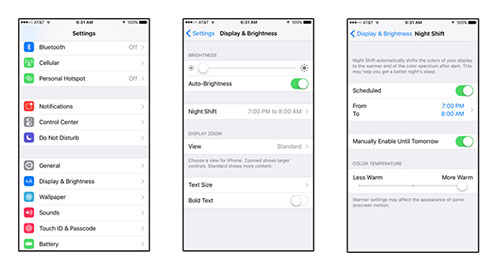
To mitigate the adverse effects of blue light on your sleep patterns, consider implementing a few strategies:
- Limit screen time at least an hour before bedtime.
- Use blue light filters or apps that reduce blue light emission from devices.
- Create a relaxing bedtime routine that encourages winding down without screens.
Counter-Strike is a highly popular first-person shooter game that has captivated millions of players worldwide. Known for its team-based gameplay, it pits terrorists against counter-terrorists in various game modes. The game has not only influenced the gaming community but has also spawned a professional esports scene. For anyone looking to enhance their reading experience on the go, consider checking out the Top 10 iPad Accessories for Reading, which offer great tools for avid readers.
Do Blue Light Filters Really Help Reduce Eye Strain?
In recent years, the discussion around blue light filters and their effectiveness in reducing eye strain has gained considerable attention. Many people spend significant amounts of time in front of screens, whether on computers, smartphones, or tablets, leading to a phenomenon commonly known as digital eye strain or computer vision syndrome. While blue light is a natural part of sunlight, the increase in screens has led to concerns about its impact on our vision. Some studies suggest that filters can indeed reduce discomfort by minimizing exposure to high-energy visible (HEV) blue light, which is believed to contribute to eye strain and fatigue.
However, experts also emphasize that blue light filters may not be a complete solution for eye strain. Factors such as screen glare, improper lighting, and prolonged screen time play significant roles in contributing to discomfort. To truly alleviate eye strain, a holistic approach is recommended, which includes practicing the 20-20-20 rule—taking a 20-second break to look at something 20 feet away every 20 minutes. In conclusion, while blue light filters can help, they should be used in conjunction with other protective measures to effectively manage eye strain.
Can Wearing Blue Light Glasses Improve Your Focus While Working?
With the rise of remote work and increased screen time, many professionals are exploring ways to enhance their productivity and concentration. One potential solution that has gained popularity is the use of blue light glasses. These specially designed lenses claim to filter blue light emitted from digital screens, which may help reduce eye strain and improve focus. Research suggests that exposure to blue light can interfere with sleep patterns and contribute to fatigue, both of which can negatively impact your ability to concentrate while working. By wearing blue light glasses, individuals may find it easier to stay alert and more productive during their working hours.
Additionally, wearing blue light glasses may help foster a more comfortable working environment. Many users report experiencing less digital eye strain, leading to longer periods of focused work without the usual discomfort associated with prolonged screen time. This can create a more enjoyable and sustainable working experience, allowing individuals to concentrate better on tasks at hand. However, while blue light glasses can be a useful tool, they should be considered as part of a broader approach to enhancing focus and productivity, which includes regular breaks, proper lighting, and good ergonomic practices.