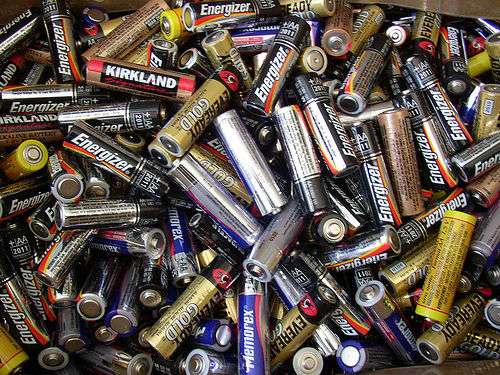
The Science Behind Batteries: How They Power Our Lives
Batteries have become an integral part of our everyday lives, powering a wide range of devices from smartphones to electric vehicles. The science behind batteries revolves around the conversion of chemical energy into electrical energy through electrochemical reactions. This process occurs within the battery cells, where an electrolyte facilitates the movement of charged ions between the anode and cathode. As these ions flow, a potential difference is created, enabling the flow of electrons that ultimately powers our devices. Understanding this intricate process not only highlights the importance of batteries in technology but also opens the door to innovations in energy storage solutions.
Moreover, the evolution of battery technology has led to significant improvements in efficiency, capacity, and sustainability. For instance, lithium-ion batteries, which are commonly used in portable electronics, offer higher energy densities compared to their predecessors, allowing for longer usage times and more compact designs. As the demand for renewable energy sources increases, research into advanced battery systems like solid-state batteries and flow batteries is intensifying, promising even greater performance and safety. As we continue to explore the science behind batteries, we move closer to a future where energy storage can meet the demands of a growing global population and an ever-evolving technological landscape.
Counter-Strike is a popular first-person shooter game series that emphasizes teamwork, strategy, and skill. Players engage in various matches, taking on roles as either terrorists or counter-terrorists, with the objective of completing goals such as planting or defusing bombs. For gamers looking to keep their devices charged during intense matches, checking out the Top 10 Airplane Safe MagSafe Batteries can be very useful. The game's competitive scene has fostered a dedicated community and numerous tournaments around the world, solidifying its place in gaming history.
Are Renewable Energy Sources Really Sustainable? An In-Depth Look
As the world grapples with climate change and dwindling fossil fuel reserves, the question of whether renewable energy sources are truly sustainable becomes increasingly pertinent. Renewable energy, including solar, wind, hydroelectric, and geothermal power, is often lauded for its potential to reduce greenhouse gas emissions and dependence on finite resources. However, a critical examination reveals several factors that can impact their sustainability. For instance, the production of solar panels involves mining for rare minerals, and wind turbines require significant materials that may have environmental consequences. Thus, while the operation of these energy sources is typically cleaner than fossil fuels, the entire lifecycle of renewable technologies warrants careful scrutiny.
Moreover, the sustainability of renewable energy sources is not solely measured in environmental impact; it also encompasses economic viability and societal acceptance. The initial investment cost for renewable infrastructure can be substantial, leading to debates over long-term financial sustainability. Additionally, the intermittent nature of sources like solar and wind necessitates advancements in energy storage technologies and grid management. According to the International Renewable Energy Agency, achieving a fully sustainable energy system will require innovation, regulatory support, and a commitment to transitioning from traditional energy sources. In conclusion, while renewable energy sources hold great promise, their overall sustainability must be evaluated through a multifaceted lens.
What You Need to Know About Battery Lifespan and Disposal
Understanding battery lifespan is crucial for both efficiency and environmental responsibility. Battery lifespan typically refers to the duration a battery can hold charge and maintain optimal performance. Factors such as usage intensity, temperature, and charging habits significantly influence how long your battery lasts. It's essential to practice good charging habits—like avoiding overcharging and extreme temperature conditions—to extend the longevity of your batteries. Below are key elements that affect a battery's lifespan:
- Charge Cycles: The more charge cycles a battery goes through, the shorter its lifespan becomes.
- Temperature: High heat or extreme cold can deteriorate battery performance.
- Quality: Higher-quality batteries typically offer longer lifespans compared to cheaper alternatives.
When it comes to battery disposal, it’s critical to follow proper protocols to protect the environment. Batteries contain hazardous materials that can seep into the ground and water supply if not disposed of correctly. Always look for local recycling programs that accept batteries, and consider the following options for safe disposal:
- Recycling Centers: Many cities have facilities dedicated to recycling batteries.
- Retail Take-Back Programs: Some retailers provide drop-off bins for used batteries.
- County Hazardous Waste Events: Check if your local government holds events for hazardous materials disposal.