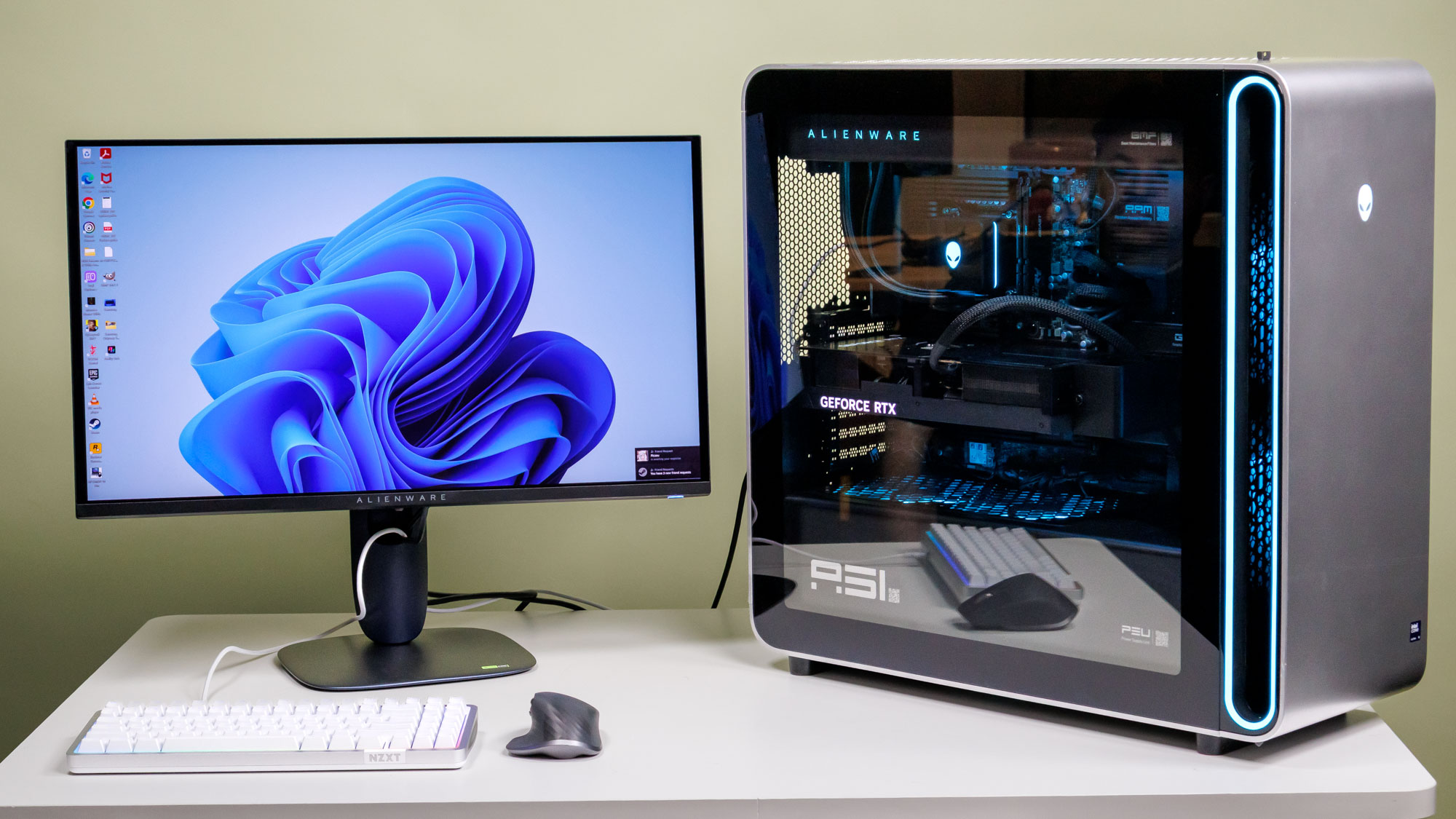
10 Ways Computers Simplify Your Daily Tasks
In today's fast-paced world, computers have become indispensable tools that simplify our daily tasks in numerous ways. One of the primary benefits is their ability to automate routine activities, saving both time and effort. For instance, using computer software for task management allows individuals to create to-do lists, set reminders, and prioritize tasks effortlessly. This automation significantly reduces the mental load, enabling users to focus on more complex activities.
Moreover, computers facilitate seamless communication and collaboration, transforming how we connect with others. With features such as video conferencing and instant messaging, individuals can easily communicate with colleagues, friends, or family, regardless of geographic limitations. Online platforms also enable collaborative work on documents and projects, allowing multiple users to contribute in real-time. As a result, computers not only enhance productivity but also strengthen our relationships by keeping us connected.
Counter-Strike is a highly popular tactical first-person shooter game, known for its competitive gameplay and teamwork. Players can choose between two teams, Terrorists and Counter-Terrorists, each with unique objectives. To enhance your gaming experience, consider investing in Top 10 Laptop Accessories to Prevent Overheating, which can help maintain your laptop's performance during intense gaming sessions.
The Role of Computers in Modern Problem Solving
In the contemporary landscape, computers play a pivotal role in problem-solving across various domains. Their ability to process vast amounts of data quickly and accurately enables individuals and organizations to tackle complex challenges with unprecedented efficiency. For instance, in the field of healthcare, computers aid in diagnosing diseases through data analysis, while in finance, they assist in risk assessment and management. This transformative impact is largely attributable to advanced algorithms and artificial intelligence, which empower users to derive actionable insights from seemingly insurmountable data sets.
Moreover, the versatility of computers extends beyond data processing. They facilitate collaborative problem-solving by allowing teams to work together seamlessly, regardless of geographical barriers. Tools such as cloud computing and project management software enable real-time communication and share resources effectively. As a result, organizations can innovate more rapidly and respond to challenges more dynamically. In summary, the integration of computers into problem-solving processes not only enhances efficiency but also fosters a culture of collaboration and innovation in today's fast-paced world.
Are We Too Dependent on Computers? Exploring the Balance
In today's technology-driven world, the question of whether we are too dependent on computers looms large. From simple tasks like drafting emails to complex operations like managing financial transactions, computers have become intertwined with our daily lives. However, this reliance raises significant concerns. For example, should a power outage occur, the inability to perform even basic tasks can lead to chaos. This reliance is not just a matter of convenience but also affects productivity, creativity, and even social interactions, prompting a need for a balanced approach to our technology use.
Furthermore, the reliance on computers can hinder our cognitive abilities if we allow them to do our thinking for us. Research indicates that over-dependence on technology can lead to diminished problem-solving skills and reduced critical thinking. To counteract this, it is essential to foster an environment that encourages both computer literacy and traditional skills. For instance, by integrating hands-on learning with digital tools, we can promote a more rounded skillset that prepares individuals for both the digital world and real-life challenges. Ultimately, finding a balance between digital convenience and traditional competency is crucial for a sustainable future.