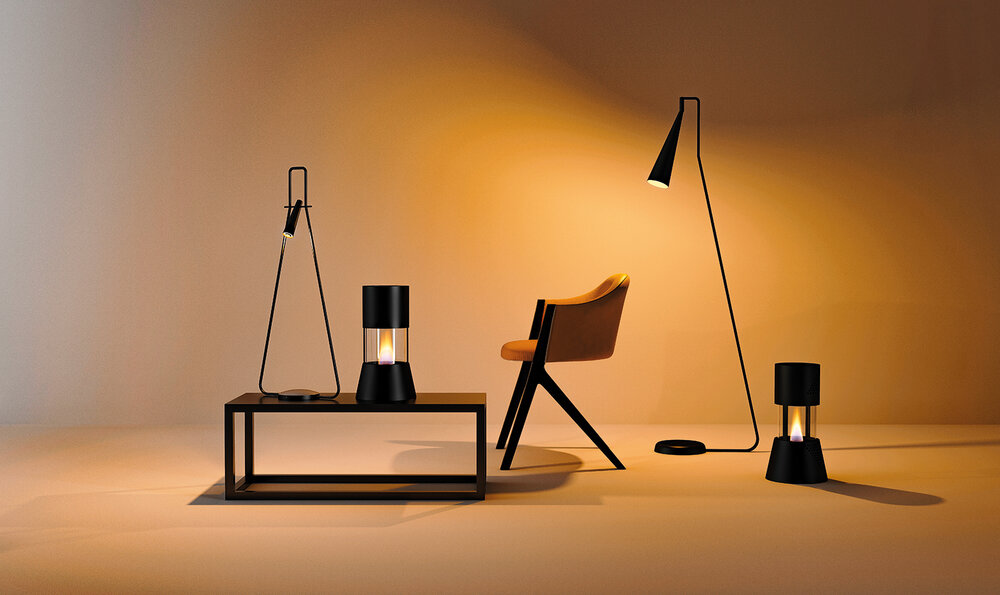
Navigating the Fine Line: How to Transform Creative Chaos into Design Order
In the world of design, the journey from creative chaos to structured order can often feel like walking a tightrope. Many designers grapple with the initial influx of ideas, where inspiration can lead to overwhelming disarray. Embracing this chaos is crucial, as it fosters innovation and unique concepts. However, implementing a coherent structure is equally important. Establishing a clear design framework helps in organizing thoughts and prioritizing elements, ultimately guiding the creative process towards a polished outcome.
To strike a balance between chaos and order, consider the following strategies:
- Start with brainstorming sessions, allowing ideas to flow without constraints.
- Utilize tools like mood boards or mind maps to visually arrange concepts.
- Set specific design objectives to keep focus and direction.
- Iterate and refine ideas, maintaining a cycle of review and adjustment.
Counter-Strike is a popular first-person shooter game that pits two teams against each other—Terrorists and Counter-Terrorists. Players engage in various game modes, including bomb defusal and hostage rescue, requiring teamwork, strategy, and skill. For those looking to enhance their gaming experience, check out the Top 10 Home Office Setups for optimal performance and comfort while playing.
The Anatomy of a Design Dilemma: Common Challenges and Clever Solutions
Design dilemmas often arise in various forms, presenting challenges that can hinder a project's success. One common issue is scope creep, where the initial project requirements expand beyond the original vision, leading to confusion and increased workloads. To combat this, designers can implement stringent project management strategies, such as regular check-ins and milestone reviews, to ensure that the project remains on track. Additionally, another frequent challenge is the conflict of aesthetic and functionality. Design must balance appealing visuals with user experience, and using user personas can help guide the decision-making process and prioritize features effectively.
To address these challenges, it's essential to adopt clever solutions that not only resolve current dilemmas but also prevent them from recurring in the future. For example, creating a style guide at the outset of a project can help maintain consistency and guard against scope creep by setting clear guidelines for design elements. Moreover, iterative design processes, such as wireframing and prototyping, allow for early testing, enabling designers to uncover potential issues before they escalate. By understanding the anatomy of a design dilemma and implementing proactive strategies, designers can navigate common hurdles more effectively.
When Inspiration Strikes: Tips for Managing Creativity Under Pressure
Being creative under pressure can be a daunting task, but with the right strategies, you can harness the energy of inspiration when it strikes. Start by cultivating an environment that fosters creativity: eliminate distractions, set aside dedicated time for brainstorming, and consider engaging in activities that ignite your passion, like reading or taking a walk. Remember, managing creativity involves being open to ideas, even the unconventional ones. Here are some tips:
- Keep a journal to jot down spontaneous ideas.
- Set specific goals to guide your creative endeavors.
- Practice mindfulness to help clear your mind and focus.
Another essential aspect of managing creativity under pressure is to embrace the concept that not every idea will be a home run. In fact, some of the best ideas come from brainstorming sessions that allow for mistakes and experimentation. Consider collaborating with others, which can enhance your creative output and provide different perspectives. Inspiration may strike at unexpected moments, but by being prepared and adaptable, you can maximize your creative potential. Remember to celebrate your progress, no matter how small, and learn from each experience.