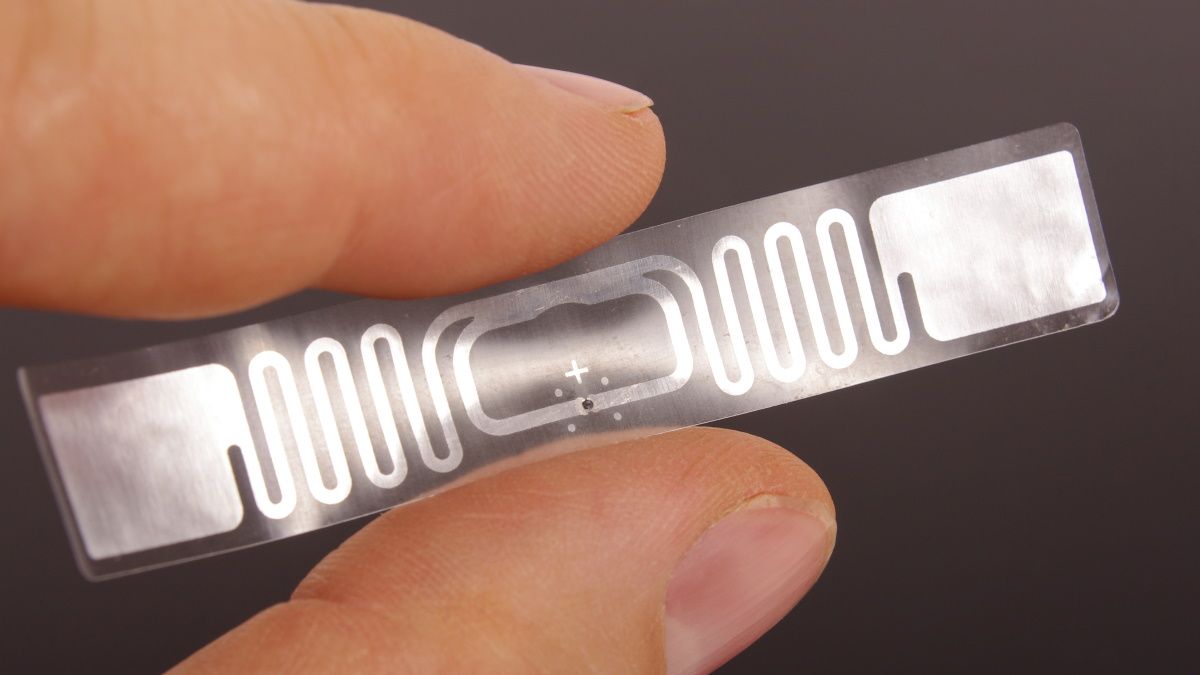
Understanding RFID Technology: How It Works and Its Benefits
RFID Technology, or Radio Frequency Identification, utilizes electromagnetic fields to automatically identify and track tags attached to objects. RFID systems consist of three main components: tags, readers, and antennas. The tags store information about the item, while the readers emit radio waves to communicate with the tags and retrieve data. This communication happens in real-time, allowing for instant updates and monitoring. The benefits of RFID technology include increased efficiency in inventory management, improved supply chain visibility, and reduced labor costs, making it a vital tool for businesses across various sectors.
One of the most significant advantages of RFID technology is its ability to enhance operational efficiency. For example, businesses can automate their inventory processes, reducing the time spent on manual counting and minimizing human error. Moreover, RFID systems facilitate real-time tracking, enabling companies to manage their assets more effectively.
In conclusion, embracing RFID technology can lead to better resource allocation, improved customer satisfaction, and increased profitability. As industries continue to adapt and evolve, understanding how RFID technology works and its myriad benefits will be crucial for staying competitive in today's fast-paced market.
Counter-Strike is a popular multiplayer first-person shooter game that has captivated players around the world. It features team-based gameplay where players can choose to be part of either the terrorist or counter-terrorist teams. The game emphasizes strategy, teamwork, and skill, making it a favorite in competitive gaming circles. For those looking to enhance their everyday carry, check out the Top 10 RFID Blocking MagSafe Wallets to find stylish and secure options for keeping your cards safe while gaming.
The Impact of RFID on Inventory Management: Revolutionizing Supply Chains
The advent of RFID (Radio Frequency Identification) technology has significantly transformed the landscape of inventory management. Unlike traditional barcode systems, RFID allows for automatic, real-time tracking of inventory items throughout the supply chain. With the ability to read multiple tags simultaneously and over longer distances, organizations can streamline their operations, reduce labor costs, and minimize human error. As a result, businesses are experiencing enhanced visibility into their inventory levels, leading to improved stock accuracy and reduced carrying costs.
Moreover, the implementation of RFID can enhance the overall efficiency of supply chains. By integrating RFID with inventory management systems, companies can automate reordering processes, optimize warehousing strategies, and better predict demand fluctuations. This seamless flow of information not only enables quicker response times but also strengthens supplier-customer relationships. Ultimately, the impact of RFID on inventory management is a revolution that empowers businesses to adapt to the dynamic market, ensuring they remain competitive and responsive to consumer needs.
Is RFID the Future of Personal Tracking? Exploring the Ethics and Innovations
The emergence of Radio-Frequency Identification (RFID) technology has sparked a significant debate regarding its potential as the future of personal tracking. With capabilities ranging from inventory management to access control, RFID could revolutionize how individuals are monitored and tracked in daily life. However, while the innovations present exciting possibilities, they also raise critical ethical questions about privacy and consent. Are we ready to embrace such technologies when they could allow for continuous surveillance, or do the benefits outweigh the risks? As we explore the impact of RFID on personal tracking, we must also consider the implications for individual autonomy and the potential for misuse of such data.
Innovations in RFID technology have already begun to transform various industries, from logistics to healthcare, paving the way for a future where personal tracking might be commonplace. For instance, RFID tags are being employed in wearable devices that can monitor health metrics or locate lost items. However, this raises an important question: how do we balance innovation with ethical considerations? A potential solution includes implementing stringent regulations and transparency measures that ensure individuals maintain control over their personal data. As we look towards a future heavily influenced by RFID, engaging in a thoughtful discussion about these ethical dilemmas is crucial for developing responsible tracking practices.