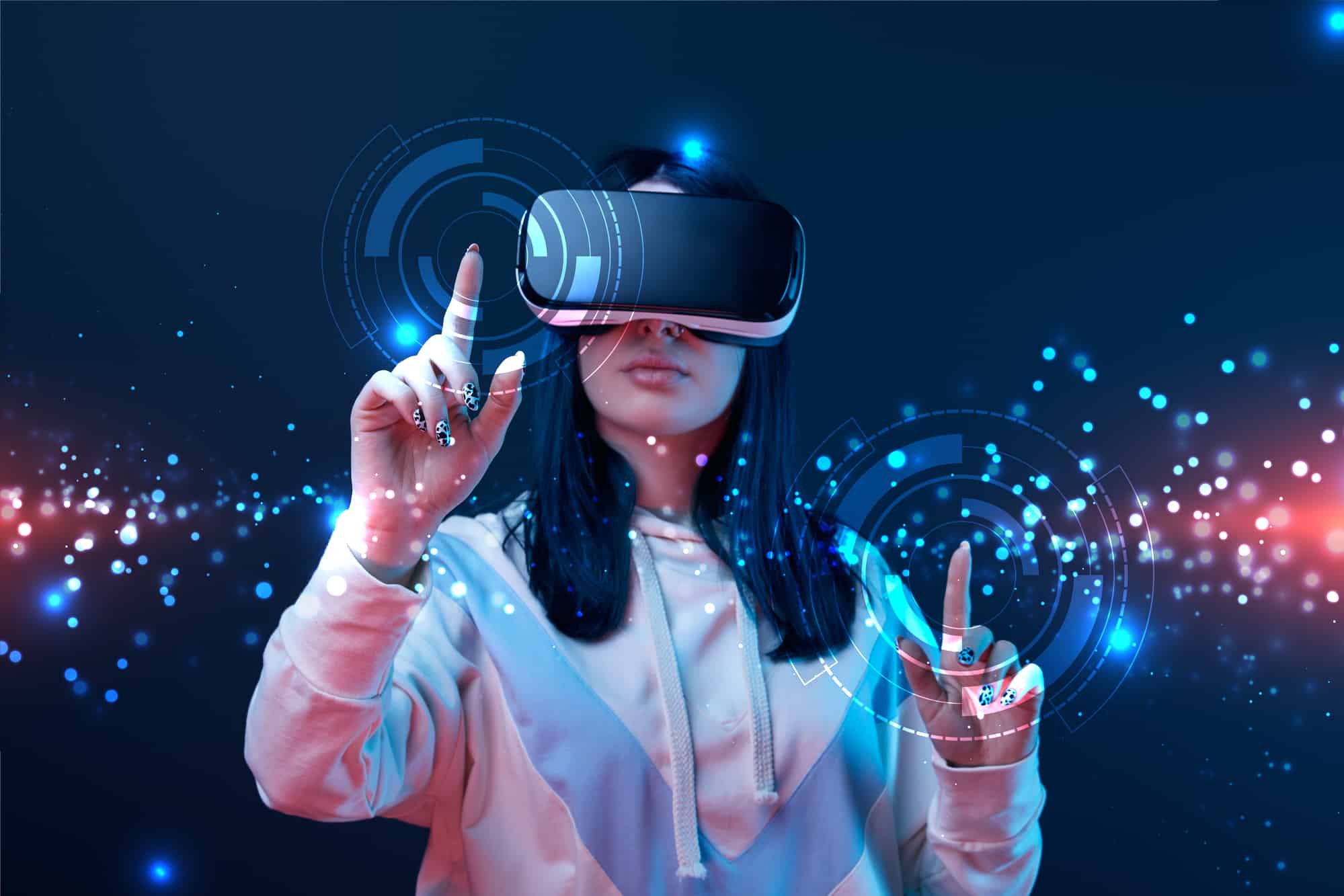
How Augmented Reality is Changing Our Perception of the World
Augmented Reality (AR) is revolutionizing the way we perceive our surroundings by seamlessly blending digital information with the physical world. This technology enhances our everyday experiences, allowing us to view real-world environments through a different lens. For instance, through AR applications, users can superimpose information, graphics, and animations onto their surroundings, creating a unique interaction with their environment. This transformational capability not only enhances entertainment and gaming but also offers practical applications in fields such as education and training, where complex concepts can be visualized and interacted with directly.
Moreover, AR is changing consumer behavior and brand interaction. Businesses are increasingly leveraging AR to create immersive experiences that engage customers in innovative ways. For example, furniture retailers now offer AR applications that let users visualize how a piece of furniture would look in their home before making a purchase. This shift in perception not only influences buying decisions but also keeps consumers involved with brands on a deeper level. As we embrace AR technology, our understanding and interaction with the world around us continue to evolve, making reality a canvas for creativity and innovation.
Counter Strike is a highly popular first-person shooter game that has captivated gamers worldwide since its release. Players engage in team-based combat, striving to accomplish objectives such as planting or defusing bombs. For those looking to enhance their gaming experience, check out the Top 10 usb c accessories to optimize their setup and improve performance.
The Rise of Virtual Reality: Is It Time to Disconnect from the Physical World?
The advent of virtual reality (VR) has sparked significant interest across various sectors, from gaming to education, and even mental health. As technology continues to advance, the immersive experiences offered by VR have become increasingly sophisticated, allowing users to transcend the limitations of the physical world. This shift raises an intriguing question: Is it time for individuals to disconnect from reality and embrace virtual experiences? With VR offering escapes from everyday stressors and the ability to explore fantastical environments, the allure is hard to resist. However, the implications of spending more time in a virtual realm demand careful consideration.
While virtual reality provides exciting opportunities for engagement and learning, it also poses risks that cannot be overlooked. The potential for addiction, social isolation, and the blurring of lines between the virtual and the real can lead to detrimental effects on mental health. Furthermore, excessive reliance on VR could diminish essential physical world experiences, such as personal interactions and outdoor activities. As we navigate this digital landscape, it is crucial to strike a balance between enjoying the benefits of modern technology and maintaining a healthy connection to the world around us.
5 Tech Trends That Are Blurring the Lines Between Real and Digital Experiences
In today's rapidly evolving tech landscape, several key trends are blurring the lines between real and digital experiences. One of the most significant is the rise of augmented reality (AR), which seamlessly integrates digital information with the physical world. Applications like AR navigation and interactive retail experiences are changing how consumers interact with their environment, allowing for a deeper engagement through their devices. Additionally, advancements in virtual reality (VR) are creating immersive experiences that mimic real life, such as virtual tours, gaming, and training simulations.
Another prominent trend is the proliferation of artificial intelligence (AI) and machine learning, which personalize user experiences across platforms. From recommendation systems on streaming services to chatbots offering customer service, AI is enhancing digital interactions by making them more tailored and responsive. Moreover, the emergence of metaverse technologies is an exciting leap, merging social media, gaming, and commerce into a unified virtual space where users can interact and transact in ways that closely resemble real-life experiences. As these technologies continue to evolve, the definitions of reality and digital will increasingly coexist and intersect.